

Is the Environment Being Pushed to the Back Burner in 2025?
Despite a rather chaotic start to the political year, here are 4 environmental files to keep on your radar in 2025.
It was 2019, on a mild autumn day: under the September sun, in a surge of hope and anger, 500,000 people from all walks of life took to the streets of Montreal to urge governments and political decision-makers to act in proportion to the climate disruptions our planet is facing.
Since then, extreme weather events have kept coming, each one another sign of the impacts of climate change that the marchers of September 27, 2019, were demanding more ambitious mitigation and adaptation measures to address.
Five years ago, we did not know we were living through what would prove to be the peak of climate urgency discourse on the Quebec political and media scene. While an initial shift in priorities can be attributed to the pandemic, and the economic and public service pressures still felt today, the environmental and climate cause is in no notably better shape as 2025 begins.
Navigating the Backlash
Saying that the current political and economic climate is not favourable to sweeping environmental commitments would be an understatement. Since Donald Trump’s election to the U.S. presidency, the signals are clear: major American corporations and international financial institutions are walking back their social and environmental responsibility commitments, while here in Quebec we are revisiting various decarbonization targets, including the possible delay of the provincial government’s 2035 ban on the sale of new gasoline-powered vehicles.
The economic uncertainty around the tariffs wielded by the White House, combined with Justin Trudeau’s aspiring successors distancing themselves from the outgoing and unpopular Liberal leader by scrapping the consumer carbon price, is cooling the green ambitions of our decision-makers. This includes the Legault government, for which the promises of the battery supply chain ultimately drained a great deal of energy (and political capital) this past fall.
4 Files to Keep on Your Radar
Despite the backlash felt in Washington and Ottawa alike, several critical files for Quebec’s climate and energy transition will be on the political agenda in the months ahead.
An Environmental Omnibus Bill Before the National Assembly
With Bill 81, Environment Minister Benoit Charette intends to amend eight laws under his ministry in one fell swoop. The bill’s primary objective: accelerating the environmental impact assessment and review process. It also includes provisions relating to zero-emission heavy vehicles (whose rollout timeline should also be revisited given the American policy shift), the harmonization of provincial and municipal environmental regulations, and the protection of endangered species and natural habitats. On that last point, the revision of the mechanism governing the use of financial compensation required for damage to natural environments, which has been widely criticized for its ineffectiveness, is expected to draw significant attention, as will the authority the government seeks to grant itself to allow preliminary work without an environmental assessment when it deems a project contributes to Quebec’s climate and energy objectives.
Update to the Green Economy Plan
Minister Charette responded to the first wave of executive orders signed by President Trump by stating that the upcoming update to his government’s 2030 Green Economy Plan (GEP), expected this spring, would need to account for the new American political reality. We can therefore expect him to ease off on tightening existing environmental regulations or announcing new ecofiscal measures affecting businesses. The revision of the target date for banning the sale of new gasoline-powered vehicles is expected to come in early 2026.
The Future of the Fitzgibbon Legacy
The fall session was supposed to be the session of the energy transition at the National Assembly, with the study of Bill 69 introduced by former super-minister of the Economy, Innovation and Energy, Pierre Fitzgibbon. Paired with various investments aimed at consolidating the battery supply chain and “making Quebec the green battery of northeastern North America,” this legislation was intended to give the government a governance framework to better plan for energy needs driven by decarbonization and manage energy resources accordingly, through the establishment of the PGIRE (integrated energy resources management plan).
Since Fitzgibbon’s resignation and his replacement by Christine Fréchette, the bill has stalled in parliament. Is the government considering amendments to reframe certain elements that reflected more of the former minister’s vision than traditional CAQ positioning? One thorny question remains that of electricity rates: while the Premier continues to promise a 3% cap for residential consumers, industrial players have begun asking the government to reconsider its plans to raise rates for businesses, as American threats put certain sectors of the Quebec economy at risk. The Legault government’s response is that electricity rates paid by industries established in Quebec will remain the most competitive in North America.
Major Wind Energy Projects
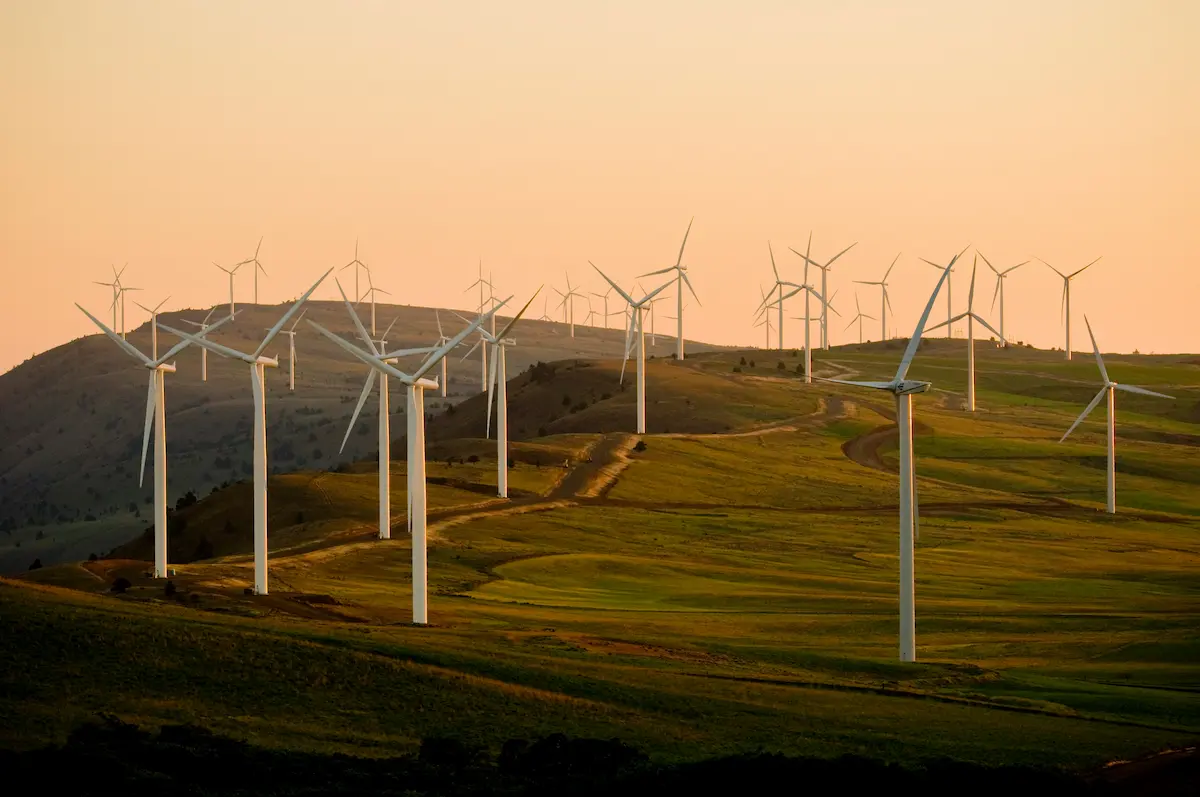
On a more positive note: we are seeing the first results of Hydro-Quebec’s 2035 action plan, with announcements multiplying in the wind energy sector. Hydro-Quebec’s new partnership model, which brings together representatives of First Nations and municipalities around the table for its major projects, is yielding good results so far. Wind energy development still faces its share of challenges in the areas of social acceptability, labour, and biodiversity protection, among others. These are all issues that businesses, business associations, and civil society groups must engage with in order to effectively communicate their priorities in the face of these projects arriving in their regions.