

The political leap of faith
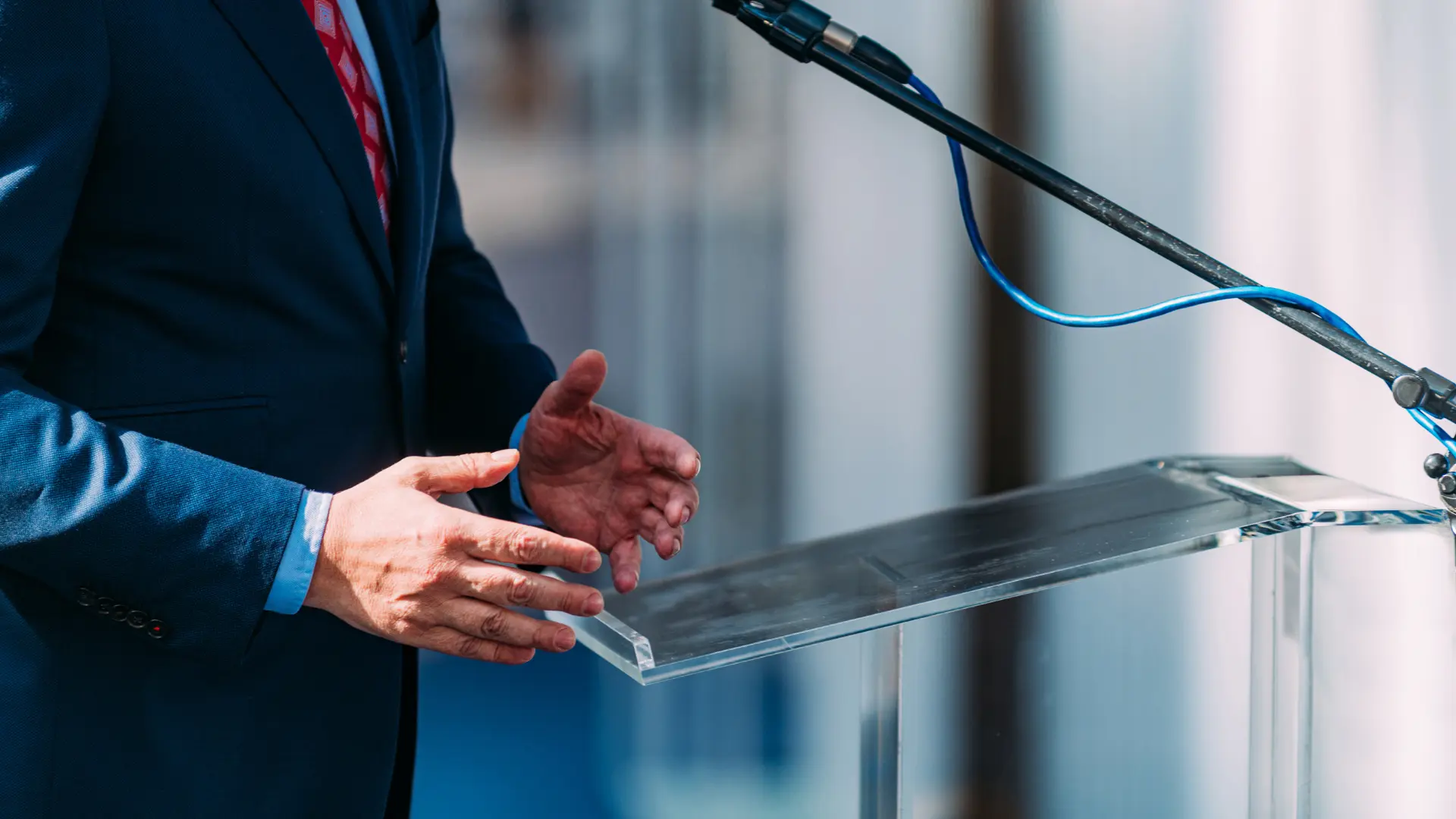
You’re probably familiar with the expression « taking the plunge » or « making the leap » into politics. For several weeks now, candidacy announcements have been multiplying. Political parties are unveiling the faces that will carry their organization’s colours heading into Quebec’s general election this fall.
Becoming a candidate, at any level of government, is anything but trivial. Before criticizing or feeding into cynicism toward politics, allow me to deconstruct a few preconceptions. Running an electoral campaign means daring to put yourself forward, defending ideas, being vulnerable and risking defeat. With five main parties in Quebec, few candidates will make it to one of the 127 seats available in the National Assembly.
We’re talking about a private life that shrinks, a family suddenly exposed, and constant scrutiny of everything you do and say, past and present. As I like to say, the product being sold becomes the candidate. And that’s precisely where communication comes into play.
The infamous party line
Although often criticized, the party line has its purpose. First and foremost, it’s a matter of communication: it ensures consistency. With so many issues and the instantaneity of the news cycle, you need to be able to maintain clear, aligned positions. Then there’s also a more partisan dimension. It unites a base of supporters who buy into a set of ideas, proposals and commitments. That doesn’t mean repeating the same talking points at every question, but rather owning a shared alignment.
It’s not meant to erase authenticity, command of the issues, or the stance you want to take to serve the interests of voters or of a region.
Does the perfect candidate exist?
Entrepreneurs, former elected officials, union leaders, young professionals: what makes a good candidate? Every party will obviously be looking for its star candidate to make a lasting impression. But that’s not everything, especially in the regions. The person who knows their community, gets involved locally and cares about local issues can turn out to be the best ally of all.
Why? The MNAs who serve their riding best are, in my view, those who see their role as strategic. Who use existing levers to move shared priorities forward. Who bring local issues to parliamentarians and ministers. Who bet on collaboration rather than confrontation.
The proportion of undecided voters is rising according to the latest polls, so if you’re among them, I invite you to take a closer look at the candidates in your riding. In the end, the leap of faith belongs to voters too.